“There is nothing wrong with you, life is just far harder than you expected.”

For a 15-20 minute question-and-answer phone call to discuss EMDR and Sessions, Contact Don Elium by phone/text
at 925 256 8282
or email at
don@don-elium-psychotherapy.com
———————————————
WHEN TROUBLESOME EMOTIONS WON’T GO AWAY.
When you face difficult and sad events, moving forward and letting go can be hard. These events might include frightening and painful experiences, being afraid to confront someone, going through a divorce, or losing a loved one. They can also bring up intense anger and strong reactions, and you may feel like the emotions from the event are still there, making it tough to forgive no matter how much you try.
Doctors refer to the ongoing reactions to past events as "post-traumatic stress." It was previously believed that it only affected soldiers in war or individuals who had been physically harmed. However, it is now understood that it can occur in various situations. Post-traumatic stress can happen when there is a significant and sudden change in one'sriencing disappointment, or when vital needs essential for survival and well-being are not being met. When you ruminate on something or your thoughts and internal conversations go around and around in your head, most likely post-traumatic stress is involved. life, when expe
The term "Post-Traumatic-Stress" originated fromrved in the Vietnam War. Upon returning home, they grappled with ongoing issues from their war experiences. They often had flashbacks, where they re-experience frightening events as if they were happening now. They also suffered from nightmares and persistent feelings of fear even after waking. Concentration became difficult, and they often felt emotionally distant. Additionally, they struggled with intense or subdued emotions and found it hard to form meaningful connections with others. These were common but severe symptoms that many soldiers continued to experience long after leaving the battlefield. Soldiers who se and returning h
It's important to understand that these reactions can happen to anyone who has gone through difficult and upsetting events, not just soldiers. They can impact you in different ways and to different degrees. The good news is that help and support are available to help you feel better and stay present instead of being consumed by the heavy shadow of the past.
After World War II, these experiences were called "shell shock." Following the Korean Conflict, it was known as "battle fatigue." However, further research revealed that similar reactions, now called post-traumatic stress, can also happen to individuals who experience less severe but still traumatic events. Such events might include family tragedies, abusive relationships, domestic violence, common divorces, emotionally or physically abusive childhoods, or any incident that produces intense and overwhelming feelings that cannot be immediately resolved.
When you experience prolonged and painful events, you may have unexpected reactions. Likewise, unresolved grief from losing a loved one or ending a meaningful relationship can cause delayed emotional responses. These feelings can interfere with daily interactions with family, friends, and coworkers: you might feel affectionate toward your spouse one moment and then suddenly be unable to tolerate them because of them. These reactions, stemming from post-traumatic stress, can trigger intense and quick responses to current situations, which might not seem appropriate to the circumstances.
““After several EMDR sessions, a psychotherapy client exclaimed, “My progress was going at about 10 miles per hour. With EMDR, I am traveling at 80!” EMDR, which stands for Eye Movement Desensitization and Reprocessing and was developed by Francine Shapiro, Ph.D., can often resolve persistent emotional reactions and restore a person to a calmer perspective in daily life situations. After over thirty years of research and development, Dr. Shapiro trains psychotherapists in the use of this powerful tool to provide deep personal relief from troublesome emotional conditions and to help facilitate significant behavioral changes.””
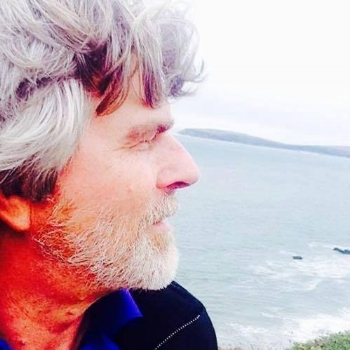
Don Elium, MA MFT
Many people today experience some form of post-traumatic stress (PTS) in their adult lives. This is because modern life can be insensitive despite its many conveniences. Adults and children face losses and painful experiences but keep moving forward. Sometimes, without realizing it, life moves so quickly that we try to leave behind the emotional hurts we've endured. However, your brain and nervous system remember these hurts.
When you have symptoms and pain that are difficult to explain, doctors and therapists try to determine what might have happened about a year earlier. Research shows that sometimes, it takes about a year for emotional wounds and pain symptoms to appear after a traumatic event. Over time, you might find it hard to link your symptoms to a specific event or moment in the past. Many layers of unresolved emotional conflicts and pain can build up in your nervous system. As a result, you might start experiencing emotional distress through dreams, intrusive thoughts, anxiety, or excessive worry.
In traditional tribal cultures prior to modern times, it was essential for tribal members, especially warriors, to have sufficient time to process their emotions following traumatic events. This was crucial for their survival. Strong and clear-minded leaders were needed during dangerous moments, so it was essential that they not be affected by past hurts, pain, or feelings of revenge. If they had unresolved feelings of grief and anger, it could distract them and make them hesitate when taking necessary risks, potentially putting the entire tribe in danger. To prevent tribal members from seeking revenge based on unresolved emotional loss and pain, the tribes had carefully planned rituals, dancing, and unique ceremonies to bring out deep emotions. These ceremonies let people acknowledge, release, and resolve deeply hidden hurt and pain. It was a way of letting go of emotional damage that could build up over time and potentially turn into dangerous feelings of revenge.
In the novel Hanta Yo, a conflict arises between the tribal chief and his people. The chief recently suffered a terrible loss. A rival party took away his wife and children. For the chief to regain his ability to be a good leader, the tribe insisted that he fully grieve for many days in a particular shelter. They understood that, without undergoing this grieving process, their chief might harbor feelings of revenge, putting everyone's safety at risk.
In today's society, when someone's close relative dies, most employees are only given a day or two off. You are expected to return to work as soon as possible. Unfortunately, modern society has lost the importance of honoring and working with our natural emotional process after working through the grief of traumatic events. Instead, you push those traumas deep into your nervous system without addressing them. This creates significant pressure and affects how you respond to events in the present moment, whether with strangers or with the people who are important to you.
You are influenced by intense unconscious feelings that can cause difficulties in your relationships with children and even conflicts with your supervisors at work. You try to avoid facing these feelings, but eventually, these unprocessed emotions manifest as troubling symptoms and problems in different areas of your life.
Sometimes, these problems can come up in situations unrelated to traumatic events. By acknowledging and addressing your emotions in a healthy manner, you can prevent them from causing further issues and find greater peace and well-being in your life.
EMDR is one of the few evidence-based therapies for emotional troubles from grief and trauma.
Although many books and websites offer guidance on handling difficult situations and understanding your emotions, you can learn a great deal about what's wrong and why you react as you do; however, we still find it challenging to change that reaction. This struggle happens because we have a lot of emotional pain inside us that we haven't been able to release. It has a grip on our brain and nervous system. You can feel a volcano inside us that's always ready to explode, even though it might not show on the outside.
In my first personal EMDR therapy sessions, I worked on addressing the lingering effects of a frightening robbery that occurred in Oakland, CA. I spent a year in talk therapy, which did help me face some of it, but something still didn’t feel “right.” Ten years after the event and that treatment, using EMDR therapy, I was able to focus on that specific memory and its impact on me specifically. It is common for individuals who have experienced traumatic events to deny or overlook the effects it has on them.
After that event and the following ten years, I noticed that I would feel tense whenever I saw young men dressed similarly to my attackers. Driving past the street where it happened made me feel uneasy, so I would take detours to avoid going near that place. I became increasingly hypervigilant on public city streets. I sometimes woke up in a sweat at night and didn’t know why. I had become accustomed to sudden surges of adrenaline and lingering fears, even when walking in safe, well-lit areas at night. This became a part of who I was.
Ten years later, during my first EMDR sessions, I finally confronted the intense fear that had been unconsciously buried inside me. It was an intense experience, but it brought me great relief. By the third session, I no longer felt scared when turning off the light before bed.
I was surprised to realize that I had been feeling scared without even noticing it. I thought it was normal to live this way, but I realized it wasn't. Feeling scared every night for ten years had become familiar, but it wasn't normal. As a result of the EMDR sessions, many positive changes occurred. I stopped having scary nightmares and sweaty night terrors. I was no longer triggered when I saw young men dressed like muggers.
After completing a series of EMDR sessions, I could recall the whole event without feeling numb or scared. I could even drive past the place where it happened without feeling afraid. It became a memory of a terrible event, and it was over. I doubt I will ever “like that it happened,” but it was like waking up from a long, bad dream.
Many people have similar experiences after undergoing EMDR therapy. It's important to remember that not all cases of post-traumatic stress can be fully addressed in just a few sessions, although many can. The severity or extent of the trauma and the age at which it occurred all influence the duration of the therapy. EMDR can often expedite the healing process compared with other treatments and reduce symptoms. Individuals who have had issues such as sadness, anxiety, panic, depression, nightmares, and emotional outbursts have not. In many cases, these reactions recede or are significantly reduced.
One client had a fear of speaking up in meetings. After EMDR sessions, she was surprised when she spoke up in a business meeting. She noticed something different - she didn't have a panic like she used to have before EMDR sessions. It was the first time she spoke up and addressed a problem that had long bothered her. The feelings of fear from her past traumatic experiences were stuck in her nervous system. They made her feel anxious whenever she had to speak to a friendly group of people. But now, those feelings were gone. Instead of being haunted by reactions to things that had happened in her past, she could focus on dealing with the conflicts she was facing in the present.
Clients who find success with EMDR often notice that their symptoms have disappeared. They no longer struggle to control intensehe powerful feelings they once experienced don't impact them as much. They can respond more effectively to the present and worry less about old fears from the past. emotions, and t
Researchers are currently studying why EMDR is so helpful for trauma caused by emotional events. There are different ideas about why it works. One hypothesis is that EMDR activates a healing process in the brain, like during REM (Rapid Eye Movement) dream sleep. When we dream, our eyes move beneath our eyelids as our brain attempts to process daily worries and fears from past experiences. If someone doesn't get enough sleep and misses out on REM sleep for several days, it can make them mentally unstable, even if they aren't physically tired. Their unresolved worries and emotions can affect their mental well-being. EMDR might be doing something similar, but while the person is awake.
When trauma becomes trapped in our nervous system, it can lead to fearful thoughts or beliefs. For example, after a mugging, I believed, "I don't know how to stand up for myself." I was convinced this was true because whenever I thought about the mugging, I would feel nervous. However, after undergoing EMDR therapy, something remarkable happened. I could think of the phrase "I don't know how to stand up for myself" without experiencing that intense reaction. And the statement no longer felt true. My new belief about myself became "I can stand up for myself and others." At first, when I said this new phrase, I didn't truly believe it. But after completing the therapy, I was surprised to find that it felt natural. I realized that I now understand personal boundaries better and know when to take action to protect my well-being and that of others. and genuine.
Dr. Shapiro, the creator of EMDR, uses a metaphor of food digestion to explain the healing process of the brain and nervous system. When you eat, food gets broken down into different parts for growth, energy, and waste, and your body's metabolic system knows what to do; our nervous system similarly processes emotions. Your brain and nervous system knows what to do if you know how to help it. But when trauma occurs, feelings can get locked up, like undigested food, causing discomfort. EMDR helps unlock these trapped feelings and releases them to the nervous system, which processes and uses them until they are fully integrated. This allows us to feel more alive and refreshed in the present moment.
EMDR therapy in psychotherapy is beneficial in two crucial ways. Firstly, it helps release trapped trauma from the nervous system, analogous to how the body digests food. This process allows our nervous system to process and use up those locked-up feelings. Secondly, it helps replace negative self-beliefs with realistic, positive ones, grounded in our innate human instinct to survive and thrive.
If you want to learn more about the scientific research on EMDR, you can read Getting Past Your Past by Francine Shapiro, PhD. This book provides more detailed information. Previous psychotherapy has been shown to increase the effectiveness of EMDR. Keep in mind that it is not necessary to have had therapy before trying EMDR.
In my practice, I use psychotherapy with EMDR to help men and women with different challenges. Some of these challenges include problems with their relationships, like codependency, or issues in their marriage or divorce. Others may have trouble controlling their anger and have outbursts, while some adults have experienced abuse as children. I also work with people going through career changes, who have low self-esteem, panic attacks, depression, or who have survived violent assaults, including rape. These are problems that many of us face, and sometimes we feel compelled to live with the symptoms. But with EMDR therapy, things can get better.
Bob D. shared his experience. He said, "I used to talk a lot in therapy about losing my parents in an accident. But with EMDR, even though it was tough to feel, the sadness started to go away. Now, I accept that I can't go back, and I can move forward and face the world without them."
———
"Don's use of EMDR therapy helped me move forward after I lost my young son to violence. I had been stuck in grief, staying in my home for more than four years. I know I will never fully get over the loss of my son, but thanks to EMDR, I realized that I don't have to stop living."
- Jan. M.
"I was struggling with a lot of anger towards my young children and knew I needed help. Don used EMDR, which helped me dig deeper into the root causes of my anger and let it go. Now, I can handle the normal frustrations of being a mom without getting explosively upset."
- Debbie H.
"My wife is thankful for EMDR because it has greatly affected my temper. I'm not as easily irritated when interacting with my family anymore." - John D.
"I had a scary car accident when I took a curve too fast and hit a tree. Luckily, I only had a few bruises, but after that, I would feel scared every time I drove around that curve, even in my dreams. Don used EMDR to help me face and lessen the fear and deep sadness. I can drive around that curve without feeling scared, but I still remember how lucky I am to be alive. And I drive more safely now!" - Anthony B.
"The sudden divorce brought a lot of sadness, anger, and fear, and it made me feel emotionally stuck for a long time. I was either really angry or just numb. But with EMDR, I started to peel back those layers of shock and numbness. It helped me let go of my rage and start accepting my situation in a way that allowed me to take on responsibilities."
- Sally G.
Each person's experience with EMDR is unique, and that's perfectly okay. The initial session is for evaluation to understand the specific issue and its history. Subsequently, the first EMDR session can be conducted. However, additional assessment may be necessary to ensure safety and effectiveness.
Different reactions can occur during the first EMDR session. Some individuals may experience intense emotions, such as tears, fear, or a profound sense of relief. Others may feel lighter bursts of emotion; sometimes, there might be physical trembling. For individuals who have suffered severe physical or emotional trauma, especially during childhood, there may be significant emotional and physical releases. However, as the session progresses, the intensity of these reactions tends to decrease. It may take several sessions to diminish their impact entirely.
Some clients may notice changes in their thinking patterns even if they don't have strong emotional responses. Others experience deep, restful sleep with more dreams, whereas some may not recall them. Some continue to process their feelings for a few days after the session. If there are concerns about what's happening during EMDR, contacting your therapist and seeking additional help is always acceptable.
It's crucial to use EMDR carefully in cases involving incest, sexual abuse, dissociative disorders (DID), borderline personality disorder, bipolar disorder, and individuals with fragile health. EMDR may be ineffective if a person benefits but is not prepared to make a change. from their symp
It may also have limited results if the person needs medication for a biological imbalance. However, when the appropriate treatment is in place, EMDR works well. (Note: EMDR is NOT meant to replace any medical treatment for medical conditions.)

EMDR therapy can lead to larger and faster changes than standard treatment. For example, one person who initially felt strong resentment toward their husband left the session with a new understanding. They realized that their reactions were connected to old pain from a long time ago, and they no longer felt that pain. Another client, a man who struggled with intense anger and sadness, felt relief as he watched scenes of his angry episodes pass during the session. He felt so relaxed afterward. It's important to note that while not all post-traumatic stress reactions can be resolved in just a few sessions, some can. Over time, EMDR helps unlock the layers of pain we carry, and once the core pain from a specific trauma is released, the related symptoms start to ease. This frees our attention to focus on what's happening now instead of reacting to the past.
When choosing a therapist, it's essential to find someone you like who is well-trained in the area where you need help. You can ask them about their training. It's also helpful to ask the therapist if they have experienced EMDR as a client. Remember, your therapy can only go as far as the therapist is willing to take you. Your experience with EMDR can differ depending on the therapist you work with.
In EMDR psychotherapy, the duration and effort required depend on the specific issues and situations in an individual's life. For instance, someone may seek to overcome their fear of driving through a tunnel, while another may want to improve communication with their spouse during difficult conversations. Another individual may need help processing the grief related to losing a loved one or going through a painful divorce. Parents may seek assistance in managing anger toward their children or spouse, and an adult man may want to address long-standing issues in his attitude and relationships that originated in childhood.
EMDR is a type of psychotherapy that involves conversations and reflection. It is usually not a one-time session. It often helps reduce emotional distress and reactions faster than traditional therapy methods.
The goal of psychotherapy with EMDR is to reduce and release problematic symptoms whenever possible. This enables the individual to adopt beneficial behaviors rather than harmful ones. When your mind brings up scenes and emotional reactions from past events in the present, it's a sign from your brain that those emotions need your attention and treatment. They must be resolved and released from their hold on you. Effective EMDR therapy can help you break free from the grip of the past and support you in creating a life with new choices and responses to the world, both inside and around you.