

The Emotional Waves, Heaviness, and Numbness from Divorce, Death, Being Fired, Ending a Friendship, Health Crisis, and Disappointment unexpectedly disorient the brain and nervous system as you adjust to this profound and challenging change.

The most off-limits topic for conversation is not death or feelings but grief. Grief involves the mind, body, and spirit and entails learning to adjust to complex changes. It is an emotionally and neurologically profound event. When actively grieving, you will feel heavy. As the grieving process progresses, minor signs may emerge. A major one is experiencing physical lightness. Feeling lighter may not happen all at once. Still, it is a sign that your brain and nervous system are beginning to learn, on many levels—brain, mind, and heart—that a change has happened and that things. The process allows the loosening of the grip of the past and creates a lighter, more hopeful present. It is most helpful to debunk the myths about grief. Misinformation leads to unnecessary suffering.
Common myths keep many of us stuck in the muck.
"No, things won't just naturally get better. They can be triggered by film scenes, others' losses, and unexpected circumstances.
No, you don't have to wait before you begin addressing it. Note that grieving can begin before the change even happens."
No, you can't eliminate the pain, replacing the loss with something else. A new partner or puppy will be seen not for who and what they are but in the shadow of your unaddressed loss.
There are no predictable stages; individuals are unique and must face their own circumstances. Each person has steps to take to befriend their inner world, which wants to move forward but is sometimes stuck in the past.
When we’re grieving, the feelings we have, the thoughts that we have, even some of the things that we do—we feel like we’re losing our minds. But if you understand why your brain might be reacting this way, I think it gives us a little patience with ourselves. Grieving is a form of learning. Learning takes time and experience, and the brain is doing its best to help us. However, it will take some time. — Mary Francis O’Connor, PhD
Many people are unaware that there are specific steps that need to be taken to ease the pain of a broken heart due to loss and start feeling again. This counseling aims to address significant losses in your life that are causing obsessive thoughts, regrets, and resentment, and to help you resolve the unresolved thoughts and feelings that are constantly on your mind and in your heart, allowing you to move forward in your current life.
Based on some of the research I’ve conducted, we found that a bonded relationship is encoded in the brain's reward network. The reward network motivates us to seek out loved ones and to enjoy them as we did when we were with them. That is how researchers now think about grief—as having had something taken away from us, from our sense of self, rather than having something added onto our plate. And this is a pretty big difference in thinking about how grieving works. —Mary Francis O’Connell. PhD
When people say, “I feel like part of myself is missing,” this may not be only a metaphor. It may, in fact, be part of how the brain has encoded that relationship, so the absence of that person is like an amputation rather than simply an additional stressor.

Don Elium, MA MFT
The duration of the therapy will vary depending on your specific goals. The aim of this therapy is to make significant progress in each session.
When people say, “I feel like part of myself is missing,” this may not be only a metaphor. It may in fact be part of how the brain has encoded that relationship, so the absence of that person is like an amputation rather than simply an additional stressor.
This grief counseling program follows the action steps outlined in The Grief Recovery Handbook by John James & Russell Friedman. Don Elium, MA LMFT, is a Certified Grief Recovery Specialist® from the Grief Recovery Institute®.
For sessions or a free 15-minute phone consult, contact Don at 925 256 8282 by phone/text.
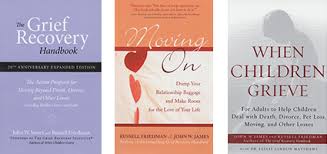
Don Elium, MA MFT Grief Counseling is based in part of the principles of The Grief Recovery Method and Grief Repair and Reattachment Therapy and where requested, Eye Movement Desensitization and Reprocessing Technique and IFS - Internal Family Systems.
The Grief Recovery Method, developed by John W. James and Russell Friedman, is designed to help individuals process and heal from grief. It focuses on providing practical tools and strategies for dealing with the emotional pain of loss. The program is based on the idea that unresolved grief can significantly impact a person's well-being. Taking specific steps can help individuals move forward healthily.
In the Grief Recovery Method, participants go through a series of steps to address their grief. These steps include acknowledging the loss, identifying and expressing the associated emotions, and completing any unfinished business related to the relationship. The method emphasizes the importance of honest, open communication about one's feelings and encourages individuals to let go of expectations about how they "should" feel or behave.
A key aspect of the Grief Recovery Method is focusing on taking action to heal. Instead of just talking about their grief, participants are encouraged to do exercises and activities that help them process their emotions and find closure. These can include writing letters to the person they lost, sharing their story with others, and creating rituals to honor their loved one's memory. By actively engaging in these practices, individuals can recover and rebuild their lives after loss. In the Grief Recovery Method, participants go through a series of steps to address their grief. These steps include acknowledging the loss, identifying andrelated emotions, and completing any unfinished business related to the relationship. The method emphasizes the importance of honest, open communication about feelings and encourages individuals to let go of expectations about how they "should" feel or behave.
One key aspect of the Grief Recovery Method is emphasizing action to heal. Instead of just talking about their grief, participants are encouraged to do exercises and activities that help them process their emotions and find closure. This can include writing letters to the person they lost, sharing their story with others, and creating rituals to honor their loved one's memory. By actively participating in these practices, individuals can find a way to recover and rebuild their lives afterwardloss.