
• Blog
    • Individual Sessions
    • Couple Sessions
    • Steps to Start Couple Therapy Video
    • Grief Recovery Sessions
    • EMDR Sessions
  • Articles/Don
    • Listening to Shame
    • There Is Hope In Resentment
    • Atomic Habits
    • Power of Vulnerablity
    • Boundaries
    • Grief/Trauma Recovery Letter Process
    • Forgiveness and anger
    • When Things Fall Apart
    • Stop Dumb Arguments, before you begin them
    • Cognative Dissonance
    • Spoon theory — for atypical energy levels
    • How Grief Rewires Your Brain
    • Compassion: It is an human instinct
    • Mistakes Were Made, But Not By Me (Cognitive Dissonance)
    • BREATHING and anxiety reduction
    • 8 c's
    • Body Based Release
    • When You Feel Shut Down, The Impact
    • Internal Family Systems
    • State Specific Memory
    • 13 Strategies For Overcoming Shame
    • 13 Self-Compassion Phrases
    • Cognitive Dissonance
    • Attention Deficit Disorder
    • The Voices In My Head
    • Difference between Panic Attack and Heart Attack
    • Attachment Injury Trauma Recovery
    • Divorce Recovery
    • Dating and Finding A Partner
    • Meditation & Brain
    • Subconscious Cue Word Procedure
    • Practicing Compassion
    • Psychiatrist Referrals
    • Emotionally Focused Therapy For Couples
    • ADHD Explanation
    • What happens when we sleep
    • Grief rewires after losing someone
    • Signs of Autism in Adults
    • ASD - Autism Spectrum Disorder
    • Gottman Couple Counseling
    • Personal Plan For Change In Your Relationship
    • 3 Reasons Couple Come to Counseling
    • Emotional and Need Detector
    • Feelings/Needs and Requests
    • Complaint Formula
    • Make Better Bids for Connection
    • Four Horsemen
    • The Four Moves Of Being Heard
    • Couples On The Brink: Leaning Out or In?
    • Emotional Flooding
    • The Emotional Intensity Meter
    • Stonewalling
    • Accepting Influence
    • Window of Tolerance
    • Logical Fallacy Detector
    • Logical Fallacy Analysis
    • The PAUSE sooner
    • Turning Away Example
    • Repair After An Argument
    • How To Complain Without Hurting Your Partner
    • Flexible and Core Needs in Relationship
    • UNSOLVEABLE PROBLEMS: Dreams Within The Conflict
    • How Enduring Vulverablities Are Affecting Your Marriage
    • Perpetual Problems and Solvable Problems
    • Sound House Of Relationship
    • TIMEOUTS for Relationships
    • NVC - Non Violent Communication
    • The CIRCLEBACK
    • Vulnerable and Protective Emotions
    • Gottman Love Lab
    • Online Relationship Checkup
    • WE ARE JUST DIFFERENT PEOPLE!? WHAT CAN I DO!???
    • The Problem With Sincere Transformation
    • Two Kinds of Domestic Violence
    • Self Soothing
    • Shared Meaning
    • State of the Union Check In
    • Couple Development Scale on Differentiation Spectrum
    • Differentiation in Relationships
    • Anger is hot. Contempt is cold.
    • Compassionate Agreements vs. Rules
    • Stop Trying to Fix Your Partner's Feelings
    • Sustained Behavior Change
    • The Five Love Languages
    • How To STOP A FIGHT
    • 3 Common Problems in ALL Relationshpips
    • Second Order Change
    • Five Languages of Apology
    • Gottman 7 Principles Book Summary
    • Hanging Onto To Yourself, and Being Close
    • How To Get The Most Out Of Couples Therapy
    • Why Relationships Are So Hard
    • How You Know You Are In The Green
    • Gottman Couples Counseling Study
    • Emotional Bank Account
    • Verbally Abusiveness in Relationships
    • Gottman Charts
    • Eroticism & Self-Care Plan
    • Are You a Sex Addict? 10 Questions to Ask Yourself
    • Sexual Closeness
    • NEED BASED Conversations - NVC
    • Premarital and Dating
    • 52 questions before moving in
    • Marital Separation
    • Understanding Infidelity & Recovery
    • Infidelity Recovery
    • Love Maps
    • Assess
  • About
  • Policy
  • Sign In My Account
Menu

Don Elium Psychotherapy

Street Address
City, State, Zip
925 256-8282
Northern & Southern California TeleHealth

Your Custom Text Here

Don Elium Psychotherapy

  • Blog
  • Sessions
    • Individual Sessions
    • Couple Sessions
    • Steps to Start Couple Therapy Video
    • Grief Recovery Sessions
    • EMDR Sessions
  • Articles/Don
  • Indiv-Study
    • Listening to Shame
    • There Is Hope In Resentment
    • Atomic Habits
    • Power of Vulnerablity
    • Boundaries
    • Grief/Trauma Recovery Letter Process
    • Forgiveness and anger
    • When Things Fall Apart
    • Stop Dumb Arguments, before you begin them
    • Cognative Dissonance
    • Spoon theory — for atypical energy levels
    • How Grief Rewires Your Brain
    • Compassion: It is an human instinct
    • Mistakes Were Made, But Not By Me (Cognitive Dissonance)
    • BREATHING and anxiety reduction
    • 8 c's
    • Body Based Release
    • When You Feel Shut Down, The Impact
    • Internal Family Systems
    • State Specific Memory
    • 13 Strategies For Overcoming Shame
    • 13 Self-Compassion Phrases
    • Cognitive Dissonance
    • Attention Deficit Disorder
    • The Voices In My Head
    • Difference between Panic Attack and Heart Attack
    • Attachment Injury Trauma Recovery
    • Divorce Recovery
    • Dating and Finding A Partner
    • Meditation & Brain
    • Subconscious Cue Word Procedure
    • Practicing Compassion
    • Psychiatrist Referrals
    • Emotionally Focused Therapy For Couples
    • ADHD Explanation
    • What happens when we sleep
    • Grief rewires after losing someone
    • Signs of Autism in Adults
    • ASD - Autism Spectrum Disorder
  • Rel-Study
    • Gottman Couple Counseling
    • Personal Plan For Change In Your Relationship
    • 3 Reasons Couple Come to Counseling
    • Emotional and Need Detector
    • Feelings/Needs and Requests
    • Complaint Formula
    • Make Better Bids for Connection
    • Four Horsemen
    • The Four Moves Of Being Heard
    • Couples On The Brink: Leaning Out or In?
    • Emotional Flooding
    • The Emotional Intensity Meter
    • Stonewalling
    • Accepting Influence
    • Window of Tolerance
    • Logical Fallacy Detector
    • Logical Fallacy Analysis
    • The PAUSE sooner
    • Turning Away Example
    • Repair After An Argument
    • How To Complain Without Hurting Your Partner
    • Flexible and Core Needs in Relationship
    • UNSOLVEABLE PROBLEMS: Dreams Within The Conflict
    • How Enduring Vulverablities Are Affecting Your Marriage
    • Perpetual Problems and Solvable Problems
    • Sound House Of Relationship
    • TIMEOUTS for Relationships
    • NVC - Non Violent Communication
    • The CIRCLEBACK
    • Vulnerable and Protective Emotions
    • Gottman Love Lab
    • Online Relationship Checkup
    • WE ARE JUST DIFFERENT PEOPLE!? WHAT CAN I DO!???
    • The Problem With Sincere Transformation
    • Two Kinds of Domestic Violence
    • Self Soothing
    • Shared Meaning
    • State of the Union Check In
    • Couple Development Scale on Differentiation Spectrum
    • Differentiation in Relationships
    • Anger is hot. Contempt is cold.
    • Compassionate Agreements vs. Rules
    • Stop Trying to Fix Your Partner's Feelings
    • Sustained Behavior Change
    • The Five Love Languages
    • How To STOP A FIGHT
    • 3 Common Problems in ALL Relationshpips
    • Second Order Change
    • Five Languages of Apology
    • Gottman 7 Principles Book Summary
    • Hanging Onto To Yourself, and Being Close
    • How To Get The Most Out Of Couples Therapy
    • Why Relationships Are So Hard
    • How You Know You Are In The Green
    • Gottman Couples Counseling Study
    • Emotional Bank Account
    • Verbally Abusiveness in Relationships
    • Gottman Charts
    • Eroticism & Self-Care Plan
    • Are You a Sex Addict? 10 Questions to Ask Yourself
    • Sexual Closeness
    • NEED BASED Conversations - NVC
    • Premarital and Dating
    • 52 questions before moving in
    • Marital Separation
    • Understanding Infidelity & Recovery
    • Infidelity Recovery
    • Love Maps
    • Assess
  • About
  • Policy
  • Sign In My Account
public.jpeg

Blog

Why is it hard for someone to change their mind when the evidence is outside the direction of their fixed point of view?

November 15, 2024 Don Elium

Changing someone’s mind from a fixed point of view can be challenging for several reasons rooted in psychology, neuroscience, social dynamics, and individual beliefs.

Here are some key factors contributing to the struggle for a reasonable influence on one another whose point of view is fixed and causing a problem in a situation that needs a different point of view to address what is happening.

1. Cognitive Dissonance:

When people hold beliefs that conflict with new information or perspectives, they may experience cognitive dissonance, which is uncomfortable, to alleviate this discomfort, individuals often reject or rationalize away new information rather than change their beliefs.

2. Confirmation Bias:
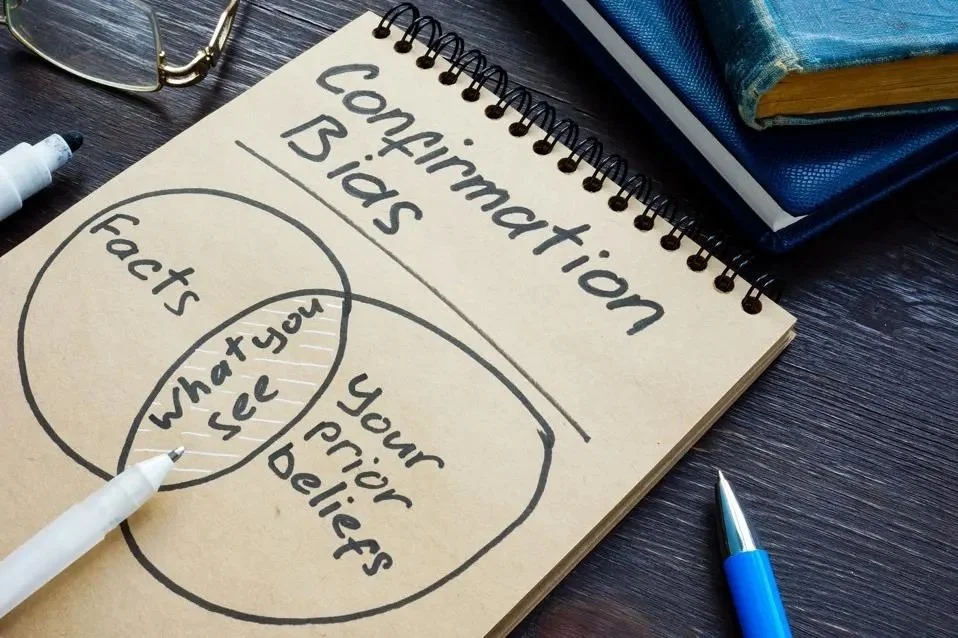
People tend to seek information that confirms their beliefs while ignoring or dismissing information that contradicts them. This bias makes it difficult for new arguments or evidence to penetrate their established viewpoints.

3. Emotional Attachments:

Beliefs are often tied to emotions and personal identity. Changing a belief may threaten one's self-concept or social identity, leading to resistance against change.

4. Social Influence:

Their social circles, including family, friends, and communities, influence individuals. Strong social ties to a particular belief can create pressure to conform, making it harder for someone to adopt a different perspective.

5. Fear of Consequences:

Changing a belief may have social or personal consequences, such as alienation from a group or conflicts with loved ones. This fear can inhibit a willingness to reconsider one’s stance.

6. Lack of Trust:

If someone perceives the person trying to change their mind as untrustworthy or having ulterior motives, they may dismiss the argument outright. Trust plays a critical role in receptiveness to new ideas.

7. Overconfidence:

People often overestimate their knowledge and understanding of a topic, making them less open to new information. This overconfidence can make them resistant to changing their beliefs. See Dunning-Kruger Effect

8. Complexity of Issues:

Some topics are complex and multifaceted, making it challenging for individuals to integrate new information into their existing frameworks. This complexity can lead to confusion or skepticism about new perspectives.

9. Reinforcement of Existing Beliefs:

Engaging with like-minded individuals or consuming media that aligns with one’s views can reinforce existing beliefs, making it harder to consider alternative viewpoints.

Strategies for Effective Persuasion

While changing someone’s mind is complex, certain approaches can increase the likelihood of success:

- Build Rapport:

Establishing a trusting relationship can open the door for more honest dialogue.

- Listen Actively:

Understanding the other person's perspective shows respect and can make them more receptive to your viewpoint.

- Present Evidence Calmly:

Use facts and reasoned arguments without being confrontational.

- Appeal to Values:

Frame arguments that align with the other person’s core values and beliefs.

- Encourage Critical Thinking:

Ask thought-provoking questions that encourage self-reflection rather than simply presenting your viewpoint.

Patience and empathy are crucial when attempting to change someone's mind. It often requires time and a willingness to engage in ongoing conversations.

← Core Needs Matter Most, Flexible Needs AdjustThe 9 Biggest Signs Of Autism In Adulthood by Jullian Wilson, Huffpost →
For Counseling Sessions Click Here

Individual, Couple & Family TeleHealth Psychotherapy

Don Elium, MA MFT Licensed Marriage & Family Therapist MFC#28381 (NPI# 1124427711)

A TeleHealth Service for all of CALIFORNIA • Office in the San Francisco Bay Area, USA

The moment you accept what troubles you’ve been given, the door will open.” - Rumi.

"The past does not create the present unless you insist.” — Alan Watts

“There is nothing wrong with you. Life is just harder than you ever expected.” —- David Schnarch

Email: don@don-elium-psychotherapy.com. 925 256-8282 (text/phone)

A-I-M Adaptive Identity Model: The Next Version Of You

Member of the California Association of Marriage & Family Therapists

Note: This Office does not participate in Medicare Programs. Click Here For More Info